Weather App Landing Page Templates: A Designer's Toolkit
You've got a fantastic weather app ready to launch. The interface is sleek, the data is accurate, and the user experience is smooth. But how do you make that crucial first impression on your landing page? A generic template won't cut it. You need a design that instantly communicates clarity, reliability, and a touch of delight—much like a perfect sunny day. That's where a specialized Weather App Landing Page Template comes in, and understanding its components, like the included logo files, is key to a successful launch.
This isn't just about a pretty layout. A well-crafted template is a strategic asset. It's built with conversion in mind, guiding visitors from curiosity to download. The visual language—cool blues, warm oranges, crisp iconography, and clear typography—works together to build trust. For designers, entrepreneurs, and marketers, it saves weeks of development time. For bloggers and publishers in the tech or lifestyle space, it provides a polished framework to showcase or review the app. The real value lies in its adaptability; it's a starting point you can mold to your brand's unique voice.
Anatomy of an Effective App Showcase
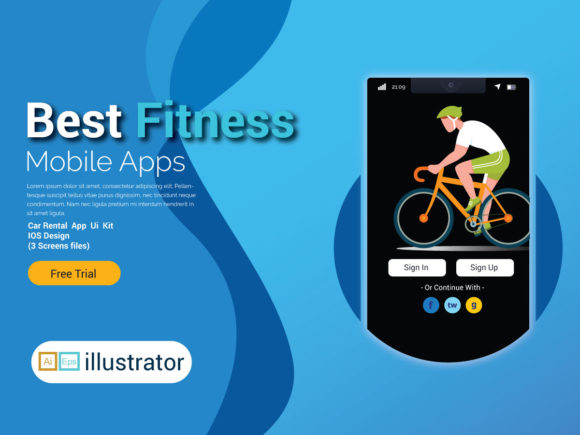
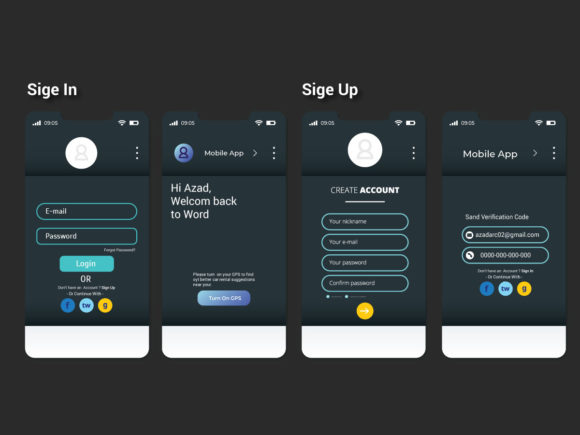
The strength of a premium template lies in its attention to detail. A great Weather App Landing Page Template typically features sections for a hero area with a dynamic weather visual, feature highlights using clear icons and brief text, testimonials, and a strong call-to-action. The design personality should mirror the app's function: clean, organized, and easy to navigate at a glance. It avoids visual clutter, much like a good forecast dashboard.
Crucially, the package includes robust logo specification files. This is non-negotiable for serious branding. You'll receive full vector files (SVG & EPS), which are infinitely scalable without losing quality—perfect for everything from a tiny favicon to a billboard. The high-resolution assets ensure your logo looks sharp on any retina display. The ready to change text feature in the EPS files means you can instantly update the app name, tagline, or any other text element without needing to redraw the graphic. This flexibility is a massive time-saver and ensures brand consistency from day one.
Practical Applications Beyond the Launch Page
While designed for a landing page, the components of this kit have a much wider reach. The vector logo files are foundational for your entire brand identity. Use the SVG for your website header, the EPS for print materials like business cards and letterheads, and the high-res PNG for social media profiles. The visual style of the template can inform other design assets. Pull the color palette and icon style to create consistent social media graphics, email newsletter headers, or even app store screenshots.
For content creators and bloggers, the template's structure is a masterclass in web design best practices. Study its use of whitespace, visual hierarchy, and typographic contrast. The principles used to make weather data readable are the same ones that make any complex information digestible. Small business owners can adapt the template's layout for their own service-based websites, swapping weather metaphors for their own value propositions. The included files, especially the editable EPS, empower you to truly own the assets, making them a valuable part of your long-term design assets library.
Making It Your Own: A Step-by-Step Guide
Getting the ZIP file is just the beginning. Here’s how to approach customization effectively:
- Evaluate the Core Structure: Before diving into colors, study the template's flow. Does it tell a compelling story? Does the information hierarchy match your app's key selling points? A template with a logical structure is easier to adapt than one that's merely decorative.
- Test Font Pairings: Most templates use a combination of fonts—a display font for headings and a highly readable sans-serif for body text. If you change them, ensure your new pairing maintains the same balance. A bold, modern sans serif font can convey tech reliability, while a subtle serif font might add a touch of sophistication for a premium weather service.
- Customize the Logo Files: Open the provided EPS file in Adobe Illustrator. This is where you'll change the text to your app's name. Because it's a vector, you can also adjust colors, rearrange elements, or combine parts of the logo with other graphics to create unique illustrations for your site or marketing materials.
- Review for Readability: Swap in your own copy and test it. Is the text large enough? Is there enough contrast between the text and background? Readability is paramount; your message should be effortless to consume, whether someone is checking the forecast on a phone or reading a detailed feature list on a desktop.
- Understand the License: Since this is a commercial font and template package, verify the license terms. Most reputable sources allow for use in unlimited personal and commercial projects, but it's always wise to check. This protects your work and ensures you're using the assets legally.
Ultimately, a Weather App Landing Page Template is more than a shortcut. It's a professionally designed framework that embodies modern typography and layout principles. By leveraging its full potential—from the strategic page layout to the versatile vector logo files—you can build a powerful, cohesive online presence that turns visitors into loyal users, rain or shine.